In the fast-paced world of modern business, having the right tools at your disposal can make all the difference. Imagine having a system that not only tracks your inventory but also predicts future trends and helps streamline operations. Intrigued? Let’s dive into the realm of inventory systems, your business’s potential game-changer.
Inventory systems are not just about keeping count; they’re about transforming your business operations into a well-oiled machine. By integrating innovative technology and strategic planning, these systems are pivotal in elevating your company’s productivity and efficiency to new heights. Let us explore how embracing the right inventory system could be your smart move toward a thriving business future.
Overview of Essential Business Inventory Systems
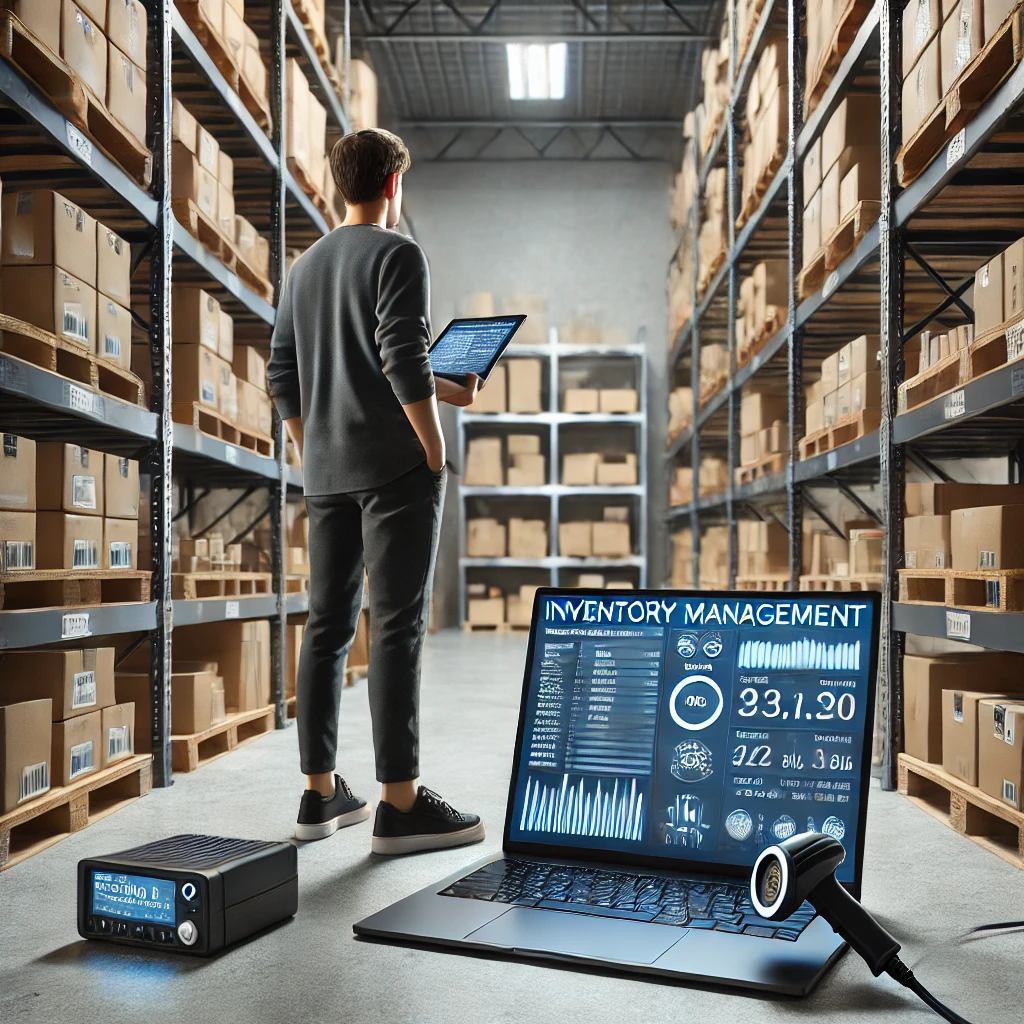
In the fast-paced world of modern business, staying on top of inventory is crucial. Inventory systems are the backbone of efficient operations, ensuring businesses can meet demand without unnecessary overspending.
These systems help streamline processes and optimize stock levels, allowing companies to maintain a balance between supply and demand. Understanding the different types of inventory systems can significantly enhance productivity and efficiency in your business.
Types of Inventory Systems and Their Functions
There are various inventory systems designed to cater to different business needs. Each system offers unique features that can significantly improve how businesses manage their stock.
- Perpetual Inventory System: This system continuously updates inventory records as transactions occur, providing real-time data and insights.
- Periodic Inventory System: Businesses using this system count inventory at specific intervals, offering a snapshot of stock levels at certain points in time.
- Just-In-Time (JIT) Inventory System: Ideal for minimizing waste, JIT systems align inventory orders closely with production schedules to reduce storage costs.
- ABC Inventory Analysis: This method categorizes inventory into three groups (A, B, and C) based on importance, helping prioritize management efforts.
The Role of Inventory Systems in Enhancing Efficiency
Inventory systems play a pivotal role in boosting business efficiency by automating manual processes and reducing human errors. With precise inventory tracking, companies can reduce carrying costs and improve customer satisfaction through timely deliveries.
Consider the following benefits:
| Benefit | Description |
|---|---|
| Cost Reduction | Lower storage and insurance expenses by maintaining optimal inventory levels. |
| Improved Accuracy | Minimize errors in stock counting and ordering processes. |
| Enhanced Decision-Making | Access to real-time data aids in better forecasting and planning. |
By integrating these systems, businesses can transform how they operate, maximizing both productivity and profitability. Inventory systems are not just tools; they are strategic assets that can propel a company towards success.
“An efficient inventory system is the secret sauce to smooth, uninterrupted operations.”
Features of an Effective Inventory Management System
In the bustling world of business, inventory management serves as the backbone of operational success. A well-designed system can transform chaos into clarity, saving time and money.
An effective inventory management system boasts features that streamline operations, reduce costs, and boost productivity. From real-time tracking to seamless integration, these features are the building blocks of an efficient supply chain.
Real-Time Tracking and Data Accuracy
Real-time tracking is essential for maintaining an accurate inventory count. With this feature, businesses can monitor stock levels and movements as they happen. This not only reduces the risk of overstocking or stockouts but also enhances decision-making capabilities. By providing a clear view of inventory status, companies can respond swiftly to demand fluctuations, thereby cutting unnecessary expenses.
Automation and Integration
Automation is a game-changer in inventory management. By automating routine tasks such as recording sales or updating stock levels, businesses can reduce manual errors and free up valuable human resources. Moreover, when an inventory system is integrated with other business applications like accounting or sales platforms, it ensures seamless data flow across departments, enhancing operational efficiency and reducing redundancies.
User-Friendly Interface
A system is only as good as its usability. A user-friendly interface ensures that employees can easily navigate the system and access the information they need. This reduces training time and increases productivity, allowing staff to focus on more strategic tasks rather than grappling with complex systems.
Examples of Inventory Systems
Here’s a quick comparison of some popular inventory systems that embody the features mentioned:
| Inventory System | Real-Time Tracking | Automation | User-Friendly | Integration |
|---|---|---|---|---|
| System A | ✔️ | ✔️ | ✔️ | ✔️ |
| System B | ✔️ | ✔️ | ✔️ | ❌ |
| System C | ✔️ | ❌ | ✔️ | ✔️ |
“The right features in an inventory system pave the way to a more efficient business and substantial cost savings.”
Implementing Inventory Systems for Small Businesses
Taking the leap to implement inventory systems can be transformative for small businesses. With the right approach, these systems can amplify efficiency, reduce errors, and empower growth.
Small businesses can greatly benefit from an organized and streamlined inventory system. The key lies in careful planning and execution to ensure a smooth integration that suits the unique needs of the business.
Steps for Integrating Inventory Systems in Small Businesses
Beginning with a clear understanding of your current inventory process is crucial. Conduct an inventory audit to assess what you have and identify areas for improvement. Once you’ve mapped out your inventory landscape, follow these steps:
- Research and Select a Suitable System: Consider factors like scalability, ease of use, and cost. Choose a system that can grow with your business.
- Data Migration: Prepare your existing inventory data for transfer to the new system. Ensure accuracy to prevent discrepancies.
- System Configuration: Tailor the system settings to match your business operations. This may involve setting up categories, labels, and user permissions.
- Testing Phase: Before going live, conduct a trial run to troubleshoot issues and make necessary adjustments.
- Go Live and Monitor: Launch the system, but keep a close eye on its functionality. Regular checks can catch potential problems early.
Pros and Cons of Various Systems for Small Enterprises
Choosing the right inventory system can make or break your efficiency. Here’s a quick comparison to guide your decision:
| System | Pros | Cons |
|---|---|---|
| Cloud-Based Systems | Accessible from anywhere, real-time updates, scalable | Monthly fees, dependability on internet connection |
| On-Premise Systems | Greater control, customization possibilities | High upfront cost, limited remote access |
| Open-Source Systems | Cost-effective, customizable | Requires technical expertise, may lack support |
Methods for Training Staff on New Inventory Systems
An inventory system is only as effective as the people using it. Training is critical to ensure all staff are confident and capable. Here are some methods to consider:
- Hands-On Workshops: Engage staff with interactive training sessions that simulate real-life scenarios.
- Online Tutorials and Resources: Provide access to video tutorials and written guides for self-paced learning.
- Mentoring System: Pair less experienced staff with tech-savvy team members for personalized guidance.
- Regular Feedback Sessions: Hold meetings to gather feedback on the system’s usability and address any concerns promptly.
“Effective training ensures that everyone can navigate the new system with confidence and ease, leading to a more productive workplace.”
Technological Advancements in Inventory Systems
In the rapidly evolving world of business, keeping up with technological innovation is no longer optional—it’s essential. Recent advancements in inventory management technology promise not only enhanced efficiency but a transformative shift in how businesses handle their stock.
From automation to real-time data analytics, modern inventory systems are revolutionizing traditional methods. By leveraging cutting-edge technology, businesses can streamline operations, reduce errors, and ultimately increase profitability.
Comparing Traditional and Modern Inventory Systems
Transitioning from traditional to modern inventory systems can seem daunting, but the benefits are profound. Digital solutions offer unparalleled accuracy and ease of use, far surpassing the capabilities of manual processes. Here’s a comparative look:
| Traditional Inventory Systems | Modern Digital Solutions |
|---|---|
| Manual record-keeping | Automated tracking and updates |
| Prone to human error | High accuracy with error detection |
| Limited data insights | Advanced analytics and forecasts |
| Time-consuming processes | Real-time inventory management |
Embracing digital solutions not only saves time but also enhances decision-making with data-driven insights.
Impact of AI and IoT on Inventory Systems
The integration of Artificial Intelligence (AI) and the Internet of Things (IoT) into inventory management systems marks a true revolution. These technologies empower businesses to operate with unprecedented levels of efficiency:
- AI facilitates predictive analysis, enabling businesses to anticipate demand with impressive accuracy.
- IoT devices ensure real-time tracking of inventory levels and conditions, reducing the risk of overstocking or stockouts.
- Automated replenishment and order processing minimize manual interventions, allowing for a seamless inventory flow.
-
“AI and IoT provide business agility by turning data into actionable insights.”
The synergy of AI and IoT not only modernizes inventory systems but also creates a responsive and resilient supply chain ready to meet the challenges of tomorrow.
Choosing the Right Inventory System for Your Business
In the world of business, having the right inventory system is like having a reliable compass in the vast ocean of commerce. It guides your decisions, optimizes operations, and ultimately drives success.
The challenge lies in selecting the ideal system that perfectly aligns with your business needs. Let’s delve into the process of making this crucial decision.
Designing a Comprehensive Decision-Making Process
Embarking on the journey of selecting an inventory system involves a structured approach. Establishing a decision-making process ensures that every aspect of your business is considered.
- Conduct a thorough needs analysis to understand what your business truly requires from an inventory system.
- Engage with stakeholders to gather diverse perspectives that enrich the decision-making process.
- Develop a shortlist of potential systems based on initial research and stakeholder feedback.
- Organize product demonstrations with vendors to assess functionality and usability.
- Evaluate the systems in relation to the criteria established.
Defining Criteria for Evaluating Inventory Systems
Setting up evaluation criteria is crucial to ensure that you are comparing systems on a level playing field.
| Criteria | Description |
|---|---|
| Scalability | Can the system grow with your business? |
| Ease of Use | How user-friendly is the system for your team? |
| Integration | Does it integrate smoothly with your existing software? |
| Cost | What is the total cost of ownership including hidden costs? |
| Support | Is there reliable vendor support and community resources available? |
Learning from Success Stories and Case Studies
Sometimes, the best guide is a tale of triumph. Consider these success stories and case studies as a source of inspiration.
“When we switched to a cloud-based inventory system, our order accuracy improved by 30% and we reduced waste by 20%. It was a game-changer.” – Sarah, Operations Manager at EcoTech Supplies
“Implementing a real-time inventory monitoring system helped us cut down costs significantly and improved our supplier relationships.” – Mark, CEO of FreshStart Grocers
“After adopting an integrated system, we noticed a 25% boost in productivity because our teams now work in sync.” – Jane, COO of Tech Innovators Inc.
These narratives highlight how choosing the right inventory system can transform challenges into opportunities for growth and efficiency.
Future Trends in Inventory Management
In the ever-evolving landscape of business logistics, inventory management is poised for transformative changes that will redefine efficiency and strategy. As technology advances, new trends emerge, creating a seismic shift in how businesses manage their stock and supply chains.
From automation to data analytics, these trends are not just enhancing traditional methods but are also creating entirely new paradigms. It’s crucial for businesses to stay ahead of these trends to maintain a competitive edge and ensure sustained growth.
Automation and Robotics Revolutionizing Inventory Handling
The integration of automation and robotics is one of the most exciting trends on the horizon. With AI-driven systems, tasks such as sorting, packing, and transporting items within warehouses are becoming faster and more accurate. This transition not only reduces human error but also significantly increases the speed of operations, allowing businesses to meet consumer demands more effectively.
While the benefits are ample, the transition to automated systems presents challenges such as high initial costs and the need for staff retraining. Investing in scalable solutions and fostering a culture of continuous learning can help mitigate these issues.
Data-Driven Decision Making through Advanced Analytics
The explosion of big data has paved the way for more precise inventory management processes. Businesses are leveraging advanced analytics to predict demand patterns, optimize stock levels, and enhance supplier relationships. By employing sophisticated algorithms, companies can now foresee trends and adapt their strategies proactively.
However, the effective implementation of data analytics requires addressing the challenges of data accuracy and privacy. Building robust data governance frameworks and ensuring compliance with data protection regulations are essential steps in overcoming these hurdles.
Integrating Blockchain for Enhanced Transparency
Blockchain technology is transforming inventory management by providing unprecedented transparency across the supply chain. This decentralized ledger system ensures that every transaction is recorded in an immutable manner, fostering trust among stakeholders and enabling real-time tracking of goods.
Despite its benefits, integrating blockchain can be complex and requires a shift in traditional business models. Collaboration with tech partners and gradual implementation can ease this transition and unlock the full potential of blockchain in inventory systems.
Embracing Sustainability in Inventory Practices
As consumers become more environmentally conscious, businesses are shifting towards sustainable inventory practices. This trend involves reducing waste, optimizing logistics to decrease carbon footprints, and sourcing eco-friendly materials. Sustainable inventory management not only meets consumer expectations but also enhances brand reputation.
To address potential challenges such as higher costs and supply chain constraints, businesses can seek innovative solutions like circular economy models and partnerships with green suppliers.
Closure
As we look ahead, it’s clear that inventory systems are no longer optional; they are essential for any business aiming to succeed and grow. By choosing the right system tailored to your specific needs, you position your business for greater efficiency and profitability. Embrace the future, adapt to the changes, and watch as your operations transform into a beacon of success. The journey to smarter inventory management starts now—are you ready to take the leap?

