Imagine a world where your small business runs like a well-oiled machine, with every product perfectly tracked and every dollar accounted for with precision. Sounds like a dream? With the right inventory and accounting software, it’s not just a dream—it’s your new reality. This software revolutionizes the way you do business, streamlining operations and freeing up time to focus on what truly matters: growing your business.
In the bustling ecosystem of small businesses, efficiency is everything. Inventory and accounting software serve as your trusty co-pilot, navigating through the chaos of manual tracking and calculations, offering a seamless, automated approach. By embracing this technology, you’re not just managing your business—you’re propelling it toward unprecedented success.
Understanding the Importance of Inventory Management for Small Businesses
In the bustling world of small businesses, inventory management stands as a pivotal pillar ensuring smooth operations and sustainable growth. Mastery over your inventory can be the difference between a flourishing enterprise and one struggling to stay afloat.
Inventory management is more than just keeping track of products; it’s a strategic approach to maintaining the right balance of stock. This careful orchestration prevents overstocking, reduces excess costs, and enhances customer satisfaction through timely fulfillment. Let’s delve into the nuances and discover how essential inventory management is for small businesses.
The Role of Inventory Management in Streamlining Business Operations
Inventory management acts as the beating heart of a business’s operational efficiency. By tracking inventory levels meticulously, businesses can significantly reduce waste and ensure that resources are utilized effectively. For instance, consider a retail store that meticulously monitors its stock levels. It can quickly reorder fast-moving items, avoiding lost sales opportunities, while ensuring slow-moving products are managed appropriately to prevent markdowns and spoilage.
Inventory Challenges Faced by Small Businesses
Small businesses often face a myriad of inventory challenges that can stymie growth. These include:
- Inaccurate stock counts leading to overstock or stockouts.
- Limited storage capacity making stock management crucial.
- Cash flow constraints affecting inventory purchasing decisions.
Overcoming these challenges requires a robust inventory management strategy tailored to the unique needs of each business.
How Effective Inventory Management Can Lead to Cost Savings
By optimizing inventory processes, small businesses can unlock substantial cost savings. An efficient inventory system minimizes holding costs, reduces wastage through better stock rotation, and decreases the need for emergency orders, which are often more expensive. Consider a bakery that accurately forecasts demand, thus purchasing ingredients in optimal quantities, lowering costs, and maximizing profits.
Impact of Poor Inventory Management on Customer Satisfaction
Poor inventory management can have a ripple effect on customer satisfaction, which is the lifeblood of any small business. Stockouts can result in missed sales opportunities and disappointed customers, while overstock can tie up cash flow and lead to obsolete inventory.
“When the shelves are empty, so are the customers’ hearts.”
Ensuring accurate inventory levels means happier customers and repeat business.
The Connection Between Inventory Management and Cash Flow
Inventory management and cash flow are interwoven in a delicate balance. Effective inventory practices ensure capital isn’t unnecessarily tied up in unsold stock, thereby freeing up cash for other business operations. Conversely, poor inventory management can lead to cash flow bottlenecks, affecting the business’s ability to meet other financial obligations and hindering growth opportunities.
Key Features to Look for in Inventory and Accounting Software
In the fast-paced world of small business, having the right tools to manage inventory and accounting can be a game-changer. Choosing the right software is essential for efficiency and growth.
When selecting inventory and accounting software, it’s vital to identify key features that will address the unique challenges your business faces, ensuring seamless operations and competitiveness in the market.
Essential Features of Inventory Software for Small Businesses
An effective inventory software solution should offer real-time tracking to monitor stock levels, orders, and deliveries. This feature ensures you never have to deal with unexpected stockouts or overstock issues. Look for software that provides automated reorder points, helping you maintain optimal inventory levels.
Additionally, multi-location management is crucial if your business operates across various sites. This feature allows you to oversee inventory at different locations from a single platform, reducing logistical headaches.
Comparison of Different Inventory Software Solutions
It’s important to compare different solutions to choose one that fits your business needs. Here’s a quick comparison of popular inventory software:
| Software Name | Real-Time Tracking | Multi-Location Management | Automated Reorder Points | Price |
|---|---|---|---|---|
| InventoryMaster | Yes | Yes | No | $$ |
| StockPro | Yes | No | Yes | $ |
| WarehouseEasy | No | Yes | Yes | $$$ |
Integration of Inventory Management with Accounting Functions
Seamlessly integrating inventory management with accounting functions offers significant advantages. It allows for real-time financial reporting, aligning your inventory data with sales and expenses. This integration minimizes errors, streamlines operations, and provides a comprehensive financial outlook.
By bridging these systems, you ensure that your accounting reflects your inventory status, facilitating better decision-making and financial planning.
Importance of Scalability in Software for Growing Businesses
Scalability is a crucial consideration when selecting software for your business. As your enterprise grows, your software should adapt to increased demands without compromising performance. Look for solutions that offer modular features, allowing you to add functionalities as needed without disrupting your operations.
Choosing scalable software ensures you won’t have to switch systems at every growth stage, saving time and resources while supporting seamless business expansion.
Software Features that Enhance User Experience
To ensure a positive user experience, inventory and accounting software should boast an intuitive interface that’s easy to navigate. This reduces the learning curve and enhances productivity. Additionally, having mobile access can be significantly beneficial, allowing you to manage your business on the go.
Other features like customizable dashboards and robust customer support further enhance user experience, ensuring that your team can efficiently use the software to its full potential.
Benefits of Automation in Inventory and Accounting Processes
Embracing automation in inventory and accounting is not just a trend; it’s a revolutionary step for small businesses. Automation drives efficiency, reduces error, and saves time, allowing businesses to focus on growth rather than grappling with manual processes.
Automation in business operations offers a seamless experience by transforming cumbersome tasks into streamlined processes. It not only optimizes the workflow but also enhances decision-making precision through reliable data.
Advantages of Automating Inventory Tracking
Implementing automation in inventory tracking is akin to hiring a tireless assistant. Accuracy in stock levels ensures you never oversell, while timely notifications prevent stockouts. Automation facilitates real-time updates, offering a comprehensive view of inventory health, empowering businesses to make informed decisions swiftly.
- Real-time stock level updates
- Automated reorder alerts
- Seamless integration with sales channels
Reduction of Human Error in Accounting
Human error is a costly pitfall in accounting. Automation mitigates this risk by ensuring data consistency and accuracy. With automated calculations and checks, businesses can maintain reliable financial records without the typical errors associated with manual entries.
Automation turns the daunting task of accounting into a precise science.
Tasks That Can Be Automated in Inventory Management
Automation transforms repetitive tasks into efficient processes, freeing up valuable time.
- Inventory tracking and adjustments
- Order processing and fulfillment
- Supplier management and reorder processes
- Data synchronization across platforms
Enhancing Operational Efficiency through Automation
Automated systems bring forth a new era of operational excellence. By reducing manual intervention, businesses can focus on strategic tasks that drive growth.
Efficiency isn’t just about speed; it’s about optimizing every resource for maximum impact.
| Manual Process | Automated Process |
|---|---|
| Time-consuming data entry | Instant synchronization of data |
| Prone to human error | Consistent accuracy |
Improving Reporting Accuracy with Automation
Automated systems revolutionize reporting by providing precise, timely data that enhances visibility and control over financial and inventory statuses. Business leaders can access detailed, accurate reports that facilitate strategic planning and forecasting.
With automation, reports are not only more accurate but also more insightful, offering a clearer picture of business performance.
Case Studies
Embarking on the journey of business efficiency often requires real-world examples to truly appreciate the transformative power of inventory software. Let’s dive into some inspiring stories of small businesses that have thrived after adopting these innovative solutions.
These success stories highlight not just the enhancement in operational efficiency but also the strategic criteria that businesses used to select their software, leading to impactful long-term benefits.
The Bakery That Baked Success
Once a local bakery, Sugar & Spice Bakery found themselves overwhelmed with the chaos of managing inventory manually. Flour, sugar, and a myriad of spices would often run out unexpectedly, causing havoc with their daily production schedule. The turning point came when they implemented an inventory software system specifically designed for food businesses.
This transition was nothing short of revolutionary. The software offered real-time tracking of stock levels, automated order placements when supplies ran low, and detailed reporting that helped in forecasting demands accurately.
“Since integrating the inventory software, I no longer worry about running out of key ingredients. Our production is smoother, and we have seen a 30% increase in our efficiency,” shares Maria Fernandez, owner of Sugar & Spice Bakery.
Before the implementation, Sugar & Spice faced frequent stockouts and overstocking, leading to waste and lost sales. Post-adoption, their operations became streamlined, allowing them to focus more on product innovation and customer satisfaction.
The key criteria for selecting their software were:
- Ease of use for the small team
- Capability to integrate with existing systems
- Comprehensive reporting and analytics
Long-term benefits included reduced wastage, improved cash flow, and more time for strategic planning.
The Retailer’s Inventory Revolution
Green Leaf Apparel, a boutique clothing store, faced significant challenges with inventory mismanagement. Seasonal trends were hard to track, and frequently changing fashion lines led to either excess stock or shortages. Their journey towards efficiency began with the adoption of a robust inventory software tailored for retail operations.
This software not only improved the accuracy of their inventory tracking but also provided insights into sales patterns and customer preferences, enabling smarter purchasing decisions.
“Our stock is now perfectly aligned with demand. We’ve reduced our inventory costs by 25% and improved our sales by better understanding our customer needs,” explains Jane Doe, CEO of Green Leaf Apparel.
Prior to using the software, Jane’s team struggled with outdated spreadsheets that offered no real-time data. After implementation, they enjoyed immediate access to inventory levels, leading to quicker response times to market demands.
The criteria for choosing their software included:
- Seamless integration with POS systems
- Mobile access for on-the-go management
- Advanced analytics and forecasting tools
Over time, Green Leaf Apparel has experienced a more agile supply chain, satisfied customers, and a significant boost in profitability.
Tips for Implementing Inventory and Accounting Software in Small Businesses
Introducing new inventory and accounting software can revolutionize your small business operations. However, successful implementation requires meticulous planning and execution. Let’s delve into a comprehensive guide and explore how to seamlessly integrate this technology into your business framework.
Step-by-Step Guide for Software Implementation
Embarking on this journey involves a structured approach to ensure every facet of your business is in sync with the new system. Here’s a detailed guide to help you navigate through:
- Assess Your Business Needs: Identify specific requirements and challenges in your current system to tailor the software selection.
- Research and Select the Right Software: Choose software that aligns with your goals and offers scalability as your business grows.
- Plan the Implementation Timeline: Establish a realistic timeline, considering potential disruptions to regular operations.
- Data Backup: Securely back up all existing data to prevent any losses during the transition.
- System Testing: Conduct thorough testing to ensure the software functions correctly and integrates with other systems.
- Go Live: Transition to the new system with a phased approach to mitigate risk and allow for adjustments.
Addressing Challenges and Solutions in the Implementation Phase
While implementing new software, obstacles are inevitable. Acknowledging these challenges upfront can pave the way for effective solutions:
- Resistance to Change: Overcome this by communicating the benefits clearly and involving employees in decision-making processes.
- Technical Difficulties: Collaborate with IT specialists to troubleshoot and resolve issues promptly.
- Budget Constraints: Prioritize essential features and consider phased implementations to manage costs effectively.
Training Employees on New Software Systems
Empowering your team with the right knowledge is crucial for a smooth transition. Training should be comprehensive yet accessible:
- Interactive Workshops: Organize workshops where employees can engage with the software in a hands-on environment.
- Online Tutorials and Manuals: Provide resources like video tutorials and detailed manuals for self-paced learning.
- Continuous Support: Establish a support system where employees can get assistance and share feedback in real-time.
Ensuring Data Accuracy During Transition
Maintaining the integrity of your data is paramount as you shift to the new platform. Here are strategies to ensure data accuracy:
- Data Validation: Before migration, cleanse and validate data to remove duplicates and errors.
- Incremental Data Migration: Transfer data in increments to monitor accuracy and resolve discrepancies.
- Regular Audits: Conduct regular audits post-implementation to ensure data aligns with expected outcomes.
Measuring the Success of Software Implementation
Evaluating the effectiveness of your new system is crucial for ongoing improvements. Consider these methods to measure success:
- User Feedback: Gather feedback from employees to gauge their satisfaction and identify areas for enhancement.
- Performance Metrics: Track key performance indicators such as process efficiency, error reduction, and time savings.
- ROI Analysis: Analyze return on investment by comparing pre- and post-implementation financial performance.
“Embracing new technology is less about replacing the old and more about enhancing capabilities to achieve greater efficiency.” – Transformative Business Philosophy
Future Trends in Inventory and Accounting Software for Small Businesses
The landscape of inventory and accounting software is rapidly evolving, driven by technological advancements that promise to revolutionize how small businesses operate. Understanding these trends is crucial for any business owner looking to stay ahead of the curve.
From leveraging the power of cloud-based solutions to integrating artificial intelligence, the future holds numerous opportunities for businesses aiming to streamline their processes and enhance decision-making.
Emerging Technologies in Inventory Software
As technology advances, inventory software is becoming more sophisticated, offering features that were once unimaginable. The integration of Internet of Things (IoT) devices enables real-time tracking of inventory levels, while blockchain technology ensures transparency and security in supply chain transactions. These technologies not only boost efficiency but also provide small businesses with a competitive edge in managing their inventory.
Comparison of Traditional Software Features with Modern Trends
| Traditional Software Features | Modern Trends |
|---|---|
| Basic inventory tracking | Real-time inventory management with IoT |
| Manual data entry | Automated data capture and processing |
| On-premises installation | Cloud-based access and storage |
Advantages of Cloud-Based Solutions
Cloud-based solutions are revolutionizing the way small businesses handle their inventory and accounting needs. These solutions offer cost-effective scalability, allowing businesses to expand without hefty investments in physical infrastructure. Moreover,
cloud technology provides the flexibility of accessing your data anytime, anywhere, ensuring business continuity and disaster recovery.
As a result, small businesses can focus on growth rather than infrastructure management.
The Role of AI and Machine Learning in Evolving Inventory Management
Artificial intelligence and machine learning are set to transform inventory management by enabling predictive analytics and demand forecasting. These technologies analyze vast amounts of data to identify trends and patterns, helping businesses make informed decisions. By implementing AI-driven tools, small businesses can optimize their inventory levels, reduce waste, and improve customer satisfaction.
Enhancing Decision-Making Processes with Future Trends
The integration of advanced technologies into inventory and accounting software empowers small businesses to enhance their decision-making processes. With access to real-time data and predictive insights, business owners can make strategic decisions with greater confidence. This not only improves operational efficiency but also drives long-term success by aligning inventory practices with business goals.
Final Thoughts
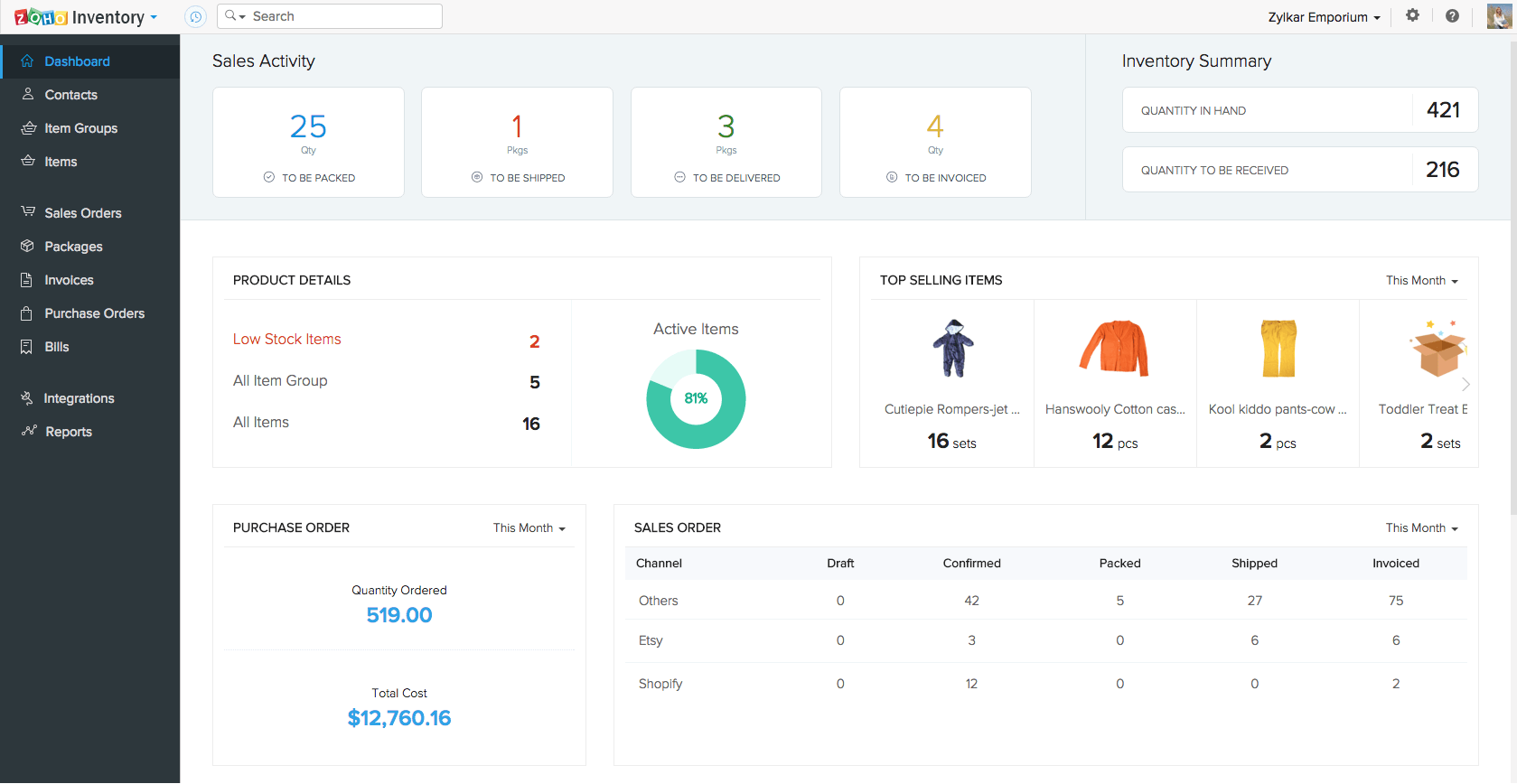
In the dynamic landscape of small businesses, embracing inventory and accounting software is not just a choice—it’s a strategic imperative. As you integrate this technology, you’ll witness transformative changes in efficiency, accuracy, and overall business growth. Say goodbye to the headaches of manual processes and hello to a future where your business operations are smoother, your data is more reliable, and your decision-making is more informed. Make the leap today and watch as your small business thrives in ways you never thought possible.

