Imagine a world where your small business runs as smoothly as a well-oiled machine, with inventory levels perfectly balanced, costs minimized, and customer satisfaction soaring. Welcome to the realm of simple inventory systems—a game-changer for small businesses striving to make their mark in a competitive market. By mastering the art of inventory management, you can unleash a flood of benefits that will not only streamline operations but also enhance your bottom line.
Small businesses often juggle various challenges, but with an effective inventory system in place, they can turn potential chaos into a harmonious symphony of efficiency and growth. From reducing waste and lowering costs to improving customer satisfaction, the power of a straightforward inventory management system is undeniable. It’s time to take control, innovate, and propel your business toward success with a strategy that works wonders.
Introduction to Simple Inventory Systems
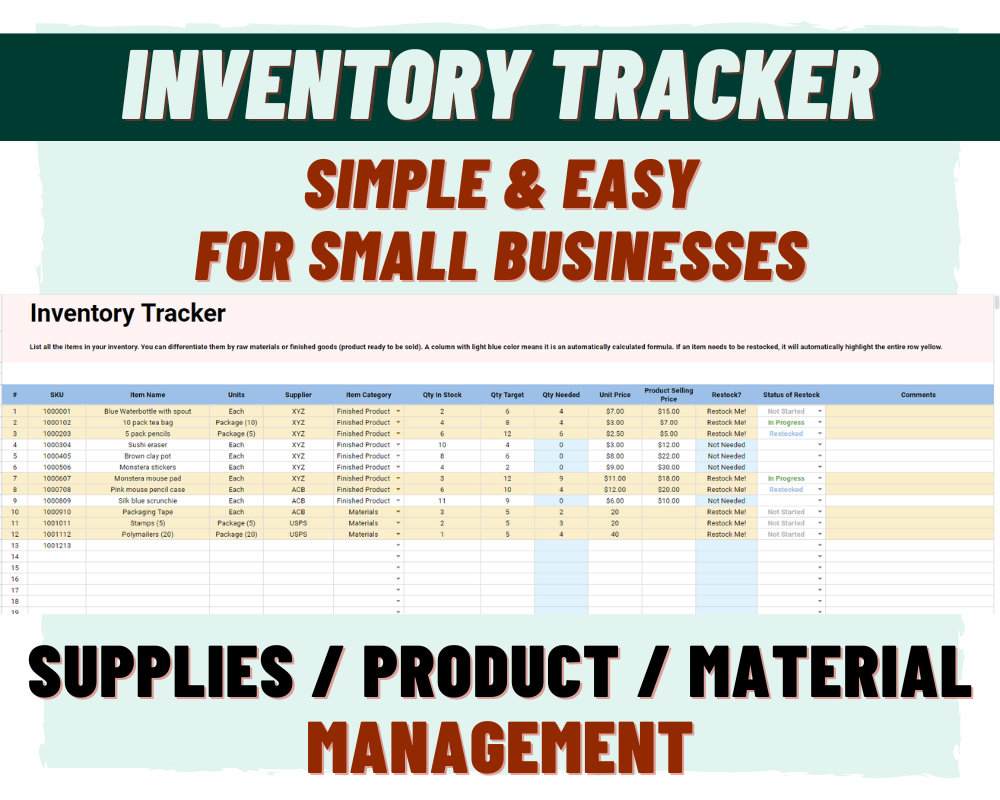
Imagine the chaos of running a small business without knowing exactly what products you have, what needs restocking, or which items are just gathering dust. This is where a simple inventory system becomes not just a tool, but a lifeline for efficiency and success.
Inventory management is the backbone of any business, ensuring that you have the right products in the right quantity without overstocking or understocking. For small businesses, in particular, this is crucial because every penny counts and customer satisfaction hinges on product availability.
The Importance of Inventory Management for Small Businesses
In the bustling world of small businesses, inventory management isn’t just about keeping track of products; it’s about optimizing resources, improving cash flow, and enhancing customer service. A robust inventory system provides real-time insights into stock levels, helping you make informed decisions quickly and efficiently. This kind of system minimizes human error, cuts down on losses, and ensures that your products are ready when your customers need them most.
Key Features of an Effective Inventory System
What makes an inventory system truly effective? It’s a blend of features that cater to the unique needs of small businesses. These include:
- Real-Time Tracking: Keep tabs on your stock levels as they change, offering you up-to-the-minute data.
- Automated Alerts: Get notified when stock is low, so you’re never caught off guard.
- Intuitive Interface: A user-friendly design ensures that even those who aren’t tech-savvy can navigate with ease.
- Scalability: As your business grows, your inventory system should seamlessly grow with you.
- Data Analytics: Use insightful reports to understand sales trends and optimize inventory levels.
Challenges Faced by Small Businesses Without Proper Inventory Management
Without a proper inventory management system, small businesses encounter numerous challenges that can stifle growth and profitability. These include:
“The cost of poor inventory management can be devastating—leading to lost sales, decreased customer satisfaction, and unusable excess stock.”
| Challenge | Impact |
|---|---|
| Overstocking | Ties up capital and increases storage costs |
| Understocking | Leads to missed sales opportunities and disgruntled customers |
| Lack of Visibility | Hinders strategic decision-making and growth |
Overcoming these challenges with a simple, yet effective inventory system can transform how a small business operates, allowing it to thrive in a competitive market.
Benefits of Implementing a Simple Inventory System
Imagine a world where your small business runs smoothly, inventory is never a guessing game, and customer satisfaction reaches new heights. This dream can become a reality with the right inventory system in place. Implementing a simple inventory system holds the key to transforming your business operations from chaotic to seamless.
An effective inventory system isn’t just about keeping track of products; it’s about harnessing control over your business in a way that reduces costs, boosts efficiency, and enhances customer experiences. Let’s dive into the myriad of benefits that such a system can bring to your small business.
Streamlined Operations and Cost Savings
With a simple inventory system, you say goodbye to the days of overstocking or understocking products, which directly translates to significant cost savings. By maintaining optimal inventory levels, you reduce storage costs, minimize waste, and ensure that capital is not unnecessarily tied up in unsold goods.
- Reduce storage costs and maximize warehouse space.
- Minimize waste and spoilage by avoiding overstocking.
- Free up capital by not holding excessive inventory.
For instance, a small boutique was able to reduce its storage costs by 20% simply by implementing an inventory system that provided real-time stock updates and automated reordering processes, ensuring they always had the right amount of stock at the right time.
Efficiency Improvements and Time Management
Efficiency is the backbone of any successful business, and an inventory system enhances this by reducing human error and automating mundane tasks, freeing up your time to focus on growth and innovation. Think of an inventory system as your ultimate business assistant that tracks, manages, and optimizes your inventory with precision.
Consider a local café that shifted from manual inventory checks to an automated system. They noticed a 30% reduction in time spent managing inventory, allowing staff to focus on enhancing customer service and expanding their menu offerings.
“A simple inventory system is not just a tool; it’s a game-changer for efficiency and time management.”
Enhanced Customer Satisfaction
Happy customers are the lifeline of any business, and an inventory system plays a crucial role in ensuring customer satisfaction. By keeping track of stock levels and trends, you can always meet customer demand without delays, enhancing their shopping experience.
- Ensure product availability and avoid stockouts.
- Provide accurate delivery timelines.
- Improve product selection based on consumer demand.
For example, an online retail store managed to boost its customer satisfaction scores by 15% after implementing an inventory system that allowed them to accurately predict and meet customer demand, ensuring that popular products were always in stock.
Key Components of an Effective Inventory System
Crafting an inventory system that is both efficient and reliable can be the backbone of a thriving small business. Understanding the key components that shape this system is crucial to managing inventory seamlessly and effectively.
An effective inventory system is not just about keeping track of stock; it is about creating a streamlined process that integrates technology and methodology to ensure everything runs smoothly. Let’s delve into the essential components that make up this system.
The Building Blocks of Inventory Management
At the heart of an effective inventory system are several key elements that work in unison:
- Inventory Tracking Tools: From barcodes to RFID tags, these tools ensure that each item is accounted for.
- Real-Time Data Access: Enables businesses to make informed decisions with up-to-date information.
- Reorder Alerts: Automated notifications that ensure stock levels are maintained without interruption.
- Reporting and Analytics: Offers insights into sales patterns, helping to optimize inventory levels and reduce waste.
Each of these components plays a critical role in maintaining the balance between supply and demand, enhancing efficiency while reducing costs.
The Role of Technology in Inventory Management
Technology has transformed the way inventory is managed, offering tools that streamline processes and increase accuracy. With the advent of cloud-based solutions, businesses now have the ability to access inventory data from anywhere in the world, at any time.
The integration of technology in inventory management is not just an option; it’s a necessity.
Software solutions provide features like automated ordering, real-time monitoring, and detailed reporting, which help in maintaining optimal stock levels and minimizing human error. Furthermore, technology aids in reducing manual labor, thereby cutting down operational costs.
Comparing Manual and Automated Inventory Systems
While both manual and automated inventory systems aim to achieve the same goal, their methods and efficiency can differ significantly. Here is a comparison to understand their core differences:
| Aspect | Manual System | Automated System |
|---|---|---|
| Accuracy | Prone to human error | High accuracy with minimal errors |
| Cost | Low initial cost, higher long-term cost | Higher initial cost, lower long-term cost |
| Efficiency | Time-consuming | Fast and efficient |
| Scalability | Limited | Easily scalable with business growth |
Choosing between a manual and an automated system depends on a business’s specific needs and resources, but the benefits of automation typically lead to enhanced productivity and greater overall efficiency.
Designing a Simple Inventory System That Works
In the bustling realm of small businesses, managing inventory doesn’t have to be daunting. With the right system, you can transform chaos into harmony. Here’s how to lay the groundwork for a simple, yet powerful inventory system that truly works.
Imagine a system where every item is tracked, every category is clear, and every tool you use in your business is seamlessly connected. This isn’t just a pipe dream—it’s entirely within your reach.
Step-by-Step Guide to Setting Up Your Inventory System
Creating an inventory system that works starts with understanding your needs and systematically organizing your approach. Here’s how to get started on this transformative journey:
- Identify Your Inventory Needs: Begin by determining what you need to track. Different businesses have different requirements, so make a list tailored to your operations.
- Select Inventory Categories: Organize items into categories that make sense for your business. Consider aspects like product type, supplier, or seasonal demand.
- Choose a Tracking Method: Whether you prefer traditional spreadsheets or modern software solutions, select a method that aligns with your business size and complexity.
- Implement Barcoding: For larger inventories, consider implementing barcoding to streamline tracking and reduce human error.
- Train Your Team: Ensure your team understands the system and their role in maintaining it. Regular training can keep everyone on the same page.
Organizing Inventory Categories and Tracking Methods
Once you have a foundational system in place, properly organizing your inventory categories and tracking methods is vital to ensure efficiency and accuracy.
Breaking down your inventory into well-defined categories and choosing the right tracking methods sets the stage for operational success:
- Inventory Categories: Group items by their nature—raw materials, finished goods, or ancillary items. This helps in identifying stock levels and reorder points quickly.
- Tracking Methods: Decide between perpetual or periodic inventory methods. Perpetual tracking offers real-time data, while periodic is less intensive but more suitable for smaller inventories.
Integrating Inventory Systems with Other Business Tools
To truly maximize your inventory system, it’s crucial to integrate it with your existing business tools. This convergence not only streamlines operations but also amplifies your business intelligence.
Consider the following integrations to enhance your inventory management:
| Tool | Benefit |
|---|---|
| Accounting Software | Seamlessly track costs and streamline financial reporting. |
| Point of Sale (POS) Systems | Ensure real-time updates to inventory levels with every sale. |
| CRM Systems | Enhance customer insights by linking inventory data with client interactions. |
“The synergy between your inventory system and business tools can be the catalyst for operational excellence.”
Common Methods for Inventory Management
In the fast-paced world of business, managing inventory efficiently can mean the difference between profit and loss. Inventory management methods like FIFO, LIFO, and JIT are the unsung heroes that keep businesses agile and responsive.
Each of these inventory techniques offers unique advantages and challenges, making them suitable for different types of businesses and industries. Let’s delve into these methods and discover how they can enhance operational efficiency.
Understanding FIFO: First In, First Out
The FIFO method assumes that the oldest inventory—the first in—will be sold first. This approach is particularly effective in industries where products have a limited shelf life.
- Pros: Simple to implement, reduces spoilage, and provides a clear reflection of cost flow.
- Cons: May not match actual physical flow; higher taxes in times of inflation.
Case Study: Many grocery stores utilize FIFO to ensure that older stock is sold before it expires, minimizing waste and maximizing sales.
LIFO: Last In, First Out Explained
LIFO is an inventory method that assumes the most recently acquired items are sold first. It is often used in industries where inventory remains relatively consistent in quality over time.
- Pros: Tax advantages in inflationary periods, better matches current costs with current revenues.
- Cons: Not accepted under IFRS, can result in outdated inventory.
Real-World Example: Companies in the oil industry often use LIFO, helping them to manage tax liabilities during periods of fluctuating oil prices.
Efficiency with JIT: Just In Time
The JIT inventory system minimizes inventory levels by delivering goods only when they are needed in the production process or to meet consumer demand.
- Pros: Reduces holding costs, minimizes waste, and enhances flexibility.
- Cons: Requires accurate demand forecasting, vulnerable to supply chain disruptions.
Illustrative Example: Toyota is synonymous with JIT, employing this strategy to revolutionize car production and inventory efficiency worldwide.
“Choosing the right inventory management method is not just about efficiency; it’s about aligning with the core strategy of your business.”
Troubleshooting and Improving Inventory Systems
Managing an effective inventory system is akin to orchestrating a symphony—every component must work in harmony. However, even the best-laid plans can encounter hurdles. Here, we dive into troubleshooting common issues and elevating your inventory management to the next level.
Let’s explore the strategies to transform your inventory system into a seamless, efficient operation that supports your business goals.
Common Inventory Management Issues and Resolutions
Inventory issues can arise from various factors such as human error, software glitches, and external disruptions. Identifying these issues early is crucial to maintaining a smooth operation. Some prevalent issues include:
- Stockouts: Occur when products are not available, leading to missed sales.
- Overstock: Excess inventory ties up capital and storage space.
- Inaccurate Records: Discrepancies in inventory counts due to human error or system issues.
Resolving these involves meticulous planning and regular audits. Implementing automatic reorder points and using barcode systems can significantly reduce errors. Additionally, employee training is vital to ensure everyone is on the same page regarding inventory protocols.
Strategies for Continuous Improvement in Inventory Systems
Improvement is an ongoing journey. To keep your inventory system at its peak, consider the following strategies:
“The only constant in life is change—and that applies to inventory management too.”
- Regular Training: Keep your team updated with the latest inventory management techniques and tools.
- Feedback Loops: Encourage feedback from employees who interact with the inventory system daily.
- Lean Inventory: Adopt lean practices to minimize waste and increase efficiency.
Through these strategies, businesses can adapt to changing demands and prevent stagnation in their inventory processes.
Optimizing Inventory Levels Using Data Analytics
In the digital age, data is a powerful ally. By leveraging data analytics, businesses can achieve a fine balance in inventory levels—neither too much nor too little:
- Predictive Analytics: Analyze historical sales data to forecast demand and adjust inventory accordingly.
- Real-Time Tracking: Use real-time data to monitor inventory levels and react swiftly to changes.
- Performance Metrics: Evaluate key performance indicators (KPIs) to ensure inventory processes align with business objectives.
Implementing data-driven decisions not only optimizes inventory levels but also enhances the overall efficiency of the supply chain.
Conclusion
In the dynamic world of business, adapting and evolving are not just options—they’re necessities. By implementing a simple inventory system, small businesses can transcend limitations and thrive. Whether you’re just starting your journey or looking to revamp existing processes, remember that the key lies in effective inventory management. So, take the leap, embrace the change, and watch your business flourish like never before. Your pathway to success is just one inventory system away!

