Imagine a world where managing your business’s inventory is as effortless as sipping your morning coffee. Welcome to the revolution of inventory systems for businesses that save your sanity. This isn’t just another tool; it’s the secret weapon for businesses to streamline operations, boost efficiency, and keep headaches at bay.
In today’s fast-paced marketplace, staying ahead of the competition requires more than just hard work—it demands smart work. Effective inventory systems offer businesses a lifeline, transforming chaos into clarity and turning potential pitfalls into opportunities for growth. Ready to discover how you can elevate your business to new heights?
Introduction to Inventory Systems
In the bustling world of business, an inventory system acts like a backstage manager, orchestrating the seamless flow of products. Imagine the chaos of running a show without knowing where your props are!
An effective inventory system stands as the backbone of a business’s operational efficiency, ensuring that the right products are available at the right time. This system not only streamlines processes but also significantly reduces costs and waste, leading to enhanced productivity and profitability.
The Importance of Inventory Systems for Businesses
Inventory systems are paramount for businesses aiming to thrive in today’s competitive landscape. These systems do more than just track stock—they empower businesses to make informed decisions and stay ahead of the curve. Minimizing errors, enhancing order accuracy, and improving customer satisfaction are just a few of the critical benefits an effective inventory system brings to the table.
Key Features of an Effective Inventory System
When choosing an inventory system, businesses should look for key features that align with their operational goals. Automation and real-time tracking are foundational, but a truly effective system offers much more:
- Seamless integration with existing tools
- Advanced analytics for predictive insights
- Scalability to grow with the business
- User-friendly interface
By leveraging these features, businesses can transform their inventory management from a cumbersome task to a strategic advantage.
Impact on Business Efficiency
Effective inventory systems can transform the way businesses operate, leading to unparalleled efficiency. Streamlined processes allow employees to focus on value-adding activities, thus boosting overall productivity. Additionally, reducing overstock and eliminating stockouts result in significant cost savings.
“Inventory systems cut inefficiencies, enabling businesses to not just survive but thrive.”
Examples of Improved Operations
Consider the case of a retail giant that revamped its operations with a cutting-edge inventory system. By implementing real-time stock tracking, the company reduced its inventory costs by 20% and improved order fulfillment speed by 30%.
| Business | Improvement |
|---|---|
| Retail Giant | 20% reduction in inventory costs |
| Global Manufacturer | 30% faster order fulfillment |
These examples illustrate the transformative power of inventory systems, showcasing how they can lead to substantial improvements in operational performance.
Types of Inventory Systems
In the bustling world of business, choosing the right inventory system can be your secret weapon. It’s about marrying efficiency with sanity, ensuring you always have what you need without overwhelming chaos.
There are several inventory systems available, each with its unique strengths and potential drawbacks. Understanding these systems is crucial in selecting the one that aligns perfectly with your business needs and operational style.
Perpetual Inventory Systems
The perpetual inventory system is a real-time tool that updates inventory records continuously. This system is ideal for businesses that require a constant pulse on stock levels, ensuring you never miss a beat.
- Advantages: Provides immediate access to inventory information, reduces errors by automating data entry, and enhances customer satisfaction by preventing stockouts.
- Disadvantages: Can be costly to implement, requiring sophisticated software and training.
An example of successful implementation is in the retail giant Walmart. Their perpetual inventory systems allow them to maintain a highly efficient supply chain, responding swiftly to changing customer demands.
Periodic Inventory Systems
In contrast, the periodic inventory system is a more traditional approach, where stock levels are updated at specific intervals. This method suits businesses that do not require day-to-day inventory tracking.
- Advantages: Simplicity and cost-effectiveness, as it requires less technology and infrastructure.
- Disadvantages: Potential for stock discrepancies, lack of real-time data can lead to unsatisfied customers and missed sales opportunities.
Take a look at local boutique shops that might use periodic systems for their seasonal inventory. They manage stock effectively without the need for constant technological upgrades.
Just-In-Time (JIT) Inventory Systems
The Just-In-Time inventory system revolutionizes stock management by ordering goods only as they are needed. This method significantly reduces holding costs and minimizes waste.
- Advantages: Decreases inventory costs, increases efficiency, and allows businesses to quickly adapt to market changes.
- Disadvantages: Requires precise demand forecasting and reliable suppliers, with a greater risk of stockouts if not managed properly.
Consider the automotive manufacturer Toyota, which has perfected JIT. Their system ensures parts arrive exactly when needed, streamlining production and cutting costs.
Consignment Inventory Systems
With a consignment inventory system, the supplier retains ownership of the stock until it is sold. This practice is beneficial for businesses that want to minimize capital investment in inventory.
- Advantages: Low upfront costs, reduced risk for the retailer, and better cash flow management.
- Disadvantages: Complexity in managing consignment agreements and potential dependency on the supplier’s stock management.
An example is a small electronics store that uses consignment to offer a variety of products without having to purchase them outright, thus maintaining a wider product range.
| Type | Advantages | Disadvantages | Example |
|---|---|---|---|
| Perpetual | Real-time tracking, reduced errors | Costly to implement | Walmart |
| Periodic | Simple, cost-effective | Stock discrepancies | Boutique shops |
| Just-In-Time | Decreases costs, increases efficiency | Risk of stockouts | Toyota |
| Consignment | Low upfront costs | Complex management | Electronics store |
“Choosing the right inventory system is not just a decision; it’s a strategic move that can elevate your business to new heights.”
Implementing Inventory Systems
Embarking on the journey to implement an inventory system is like setting sail towards efficiency and sanity. But the waters can be tricky.
To ensure a smooth transition and avoid common pitfalls, it’s vital to follow a structured approach. Let’s delve into the steps and strategies that can turn your inventory implementation from chaos to clarity.
Steps to Successful Implementation
A successful inventory system implementation involves a series of pivotal steps that lay the foundation for operational success. Here’s how you can make it happen:
- Evaluate Business Needs: Begin by understanding the specific needs of your business. This involves a thorough analysis of current processes, identifying bottlenecks, and setting clear objectives for the new system.
- Select the Right System: With countless options available, choosing a system that aligns with your business goals is crucial. Consider factors such as scalability, user-friendliness, and integration capabilities.
- Plan and Prepare: Develop a comprehensive implementation plan that artikels timelines, resources, and responsibilities. Preparation is key to avoiding unnecessary hiccups.
- Data Migration: Ensure accurate and complete data migration to the new system. This step is crucial for maintaining data integrity and continuity.
- Testing and Customization: Before full deployment, test the system in a controlled environment. Customize features to suit your specific operational needs.
- Go Live and Monitor: Launch the system and continuously monitor its performance. Be ready to address any immediate issues that arise post-implementation.
Overcoming Common Challenges
Despite meticulous planning, challenges are inevitable. Here’s how to tackle them:
- Resistance to Change: Employees may resist new systems. To combat this, involve them in the process early on and clearly communicate the benefits.
- Data Inaccuracy: Faulty data can cripple the system. Implement rigorous data validation processes to ensure accuracy.
- Technical Issues: Have IT support ready to troubleshoot initial system glitches that could disrupt operations.
Training Staff for Effective Use
Training is the bridge between a new system and its successful adoption. Here’s how to ensure your team is well-prepared:
- Conduct Comprehensive Training Sessions: These should be hands-on and tailored to different user roles within the company.
- Provide Continuous Support: Establish a support system where staff can seek help and share feedback during the initial phases of implementation.
- Encourage Self-Learning: Create a repository of learning materials and encourage staff to explore and learn at their own pace.
Importance of Regular Updates and Maintenance
The journey doesn’t end with implementation. Regular system updates and maintenance are critical for sustained performance:
“The best systems are not static; they evolve and adapt with your business.”
Regular updates ensure that the system stays current with technological advancements and continues to meet business needs. Schedule routine maintenance to identify and rectify potential issues before they escalate.
Benefits of Inventory Systems
In today’s fast-paced business world, maintaining an effective inventory system is not just a luxury—it’s a necessity. Inventory systems are vital tools that streamline operations, save time, and drastically reduce the margin for human error.
Implementing a robust inventory system can be a game-changer for businesses seeking to elevate their operational efficiency and customer satisfaction levels. These systems not only automate tedious processes but also provide real-time data that guide decision-making, ensuring businesses stay ahead of the competition.
Streamlining Operations and Reducing Errors
Inventory systems are adept at cutting down the time spent on manual tracking and counting, which can be rife with errors. By automating these tasks, businesses can focus on other critical areas, thus enhancing productivity. Automated systems provide accurate, up-to-date information, minimizing discrepancies and the risks associated with misinformation. This results in a more reliable supply chain and a smoother workflow.
Enhancing Customer Satisfaction
Happy customers are repeat customers, and inventory systems play a crucial role in ensuring that customers are always satisfied. By managing stock levels efficiently, businesses can prevent stockouts and overstock situations, offering customers exactly what they need, when they need it. This reliability builds trust and positions the brand as dependable and customer-centric.
Workflow Improvements with Inventory Systems
The implementation of inventory systems transforms the operational landscape of a business. Below is a simplified flowchart illustrating how these systems enhance workflow efficiency:
| Traditional Workflow | Improved Workflow with Inventory System |
|---|---|
| Manual Stock Counting | Automated Stock Tracking |
| Human Error in Data Entry | Real-time Data Updates |
| Delayed Order Processing | Faster Order Fulfillment |
These improvements not only streamline operations but also provide a solid foundation for scaling and adapting to market changes effortlessly.
Benefits at a Glance
For a quick overview, here are the primary benefits of integrating a sophisticated inventory system into your business:
- Time-saving through automation
- Reduction in manual errors
- Enhanced customer satisfaction and loyalty
- Improved decision-making with real-time data
- Optimized stock levels to meet demand
- Increased operational efficiency
“Inventory systems are not just tools—they are business allies that pave the way for success.”
Inventory Systems and Technology
In the dynamic world of business, the integration of technology into inventory systems is not just a trend—it’s a necessity. With rapid advancements, businesses must adapt to stay competitive.
Technological innovations are transforming how businesses manage inventory, making processes faster, more accurate, and efficient. These advancements are empowering businesses to achieve unprecedented levels of productivity and precision.
Latest Technological Advancements in Inventory Management
The modern era has ushered in a wave of technological tools designed to revolutionize inventory management. From automation and AI-driven analytics to IoT devices and blockchain technology, businesses are reaping the benefits. These tools not only streamline operations but also provide real-time visibility into stock levels, helping managers make informed decisions.
Enhancing Inventory Tracking and Management
Technology plays a crucial role in enhancing inventory tracking and management by providing comprehensive and accurate data. Automated systems reduce human error, while advanced software solutions allow businesses to monitor inventory levels in real-time, anticipate demand, and optimize stock levels.
“With technology, the guesswork is eliminated, leading to smarter decision-making.”
Let’s see how inventory systems integrate with other business software to create a seamless ecosystem:
| Business Software | Integration Benefits |
|---|---|
| ERP Systems | Centralize data for improved decision-making |
| CRM Systems | Enhance customer service with accurate stock information |
| Accounting Software | Streamline financial reporting and reduce errors |
| Supply Chain Management | Optimize logistics and reduce lead times |
The Role of Cloud-Based Solutions in Modern Inventory Systems
Cloud-based solutions have become the backbone of modern inventory systems, offering flexibility, scalability, and cost-effectiveness. With cloud technology, businesses can access their inventory data anytime, anywhere, fostering a more agile approach to inventory management. This enables companies to respond swiftly to market changes, ensuring they remain competitive in a rapidly evolving business landscape.
Future Trends in Inventory Management
The landscape of inventory management is on the brink of a revolution. As technology evolves at a breathtaking pace, businesses must stay ahead by embracing these changes or risk being left behind in the competitive market.
Emerging trends are not just about adapting to new technologies; they also involve reimagining existing processes and creating efficiencies that were once deemed impossible. Let’s delve into what the future holds for inventory management.
The Role of AI and Machine Learning
Artificial Intelligence (AI) and machine learning are not just buzzwords; they are transforming the way businesses manage their inventory. These technologies allow for smarter, more precise inventory forecasting by analyzing vast amounts of data at unprecedented speeds. Think of AI as your inventory’s crystal ball, predicting demand fluctuations with remarkable accuracy and ensuring optimal stock levels.
Imagine a scenario where your system autonomously orders stock based on real-time demand analysis, minimizing wastage and maximizing efficiency. This is not a distant dream but a tangible reality that AI is bringing to the table today.
Preparing for Technological Advancements
To harness the full potential of these future technologies, businesses need to start preparing now. This involves investing in modern inventory management software that can integrate seamlessly with AI and machine learning algorithms. Companies should also focus on upskilling their workforce to work alongside these technologies, ensuring a smooth transition and maximizing the benefits.
Training sessions, workshops, and continuous education can empower your team to leverage these new tools effectively, turning potential challenges into opportunities for growth and innovation.
Predictions for the Evolution of Inventory Systems
As we look to the future, several predictions can help guide strategic planning for businesses aiming to excel in inventory management. These trends will shape the landscape and redefine how inventory is managed:
- Increased automation in stock management, reducing manual errors and enhancing efficiency.
- Greater integration with IoT devices for real-time tracking and monitoring.
- Enhanced predictive analytics to foresee market trends and consumer demands.
- Rise of blockchain technology for transparent and secure supply chain operations.
- Adoption of cloud-based solutions for flexibility and scalability.
By embracing these predictions and proactively adapting to the changes they bring, businesses can not only survive but thrive in the future of inventory management.
Closure
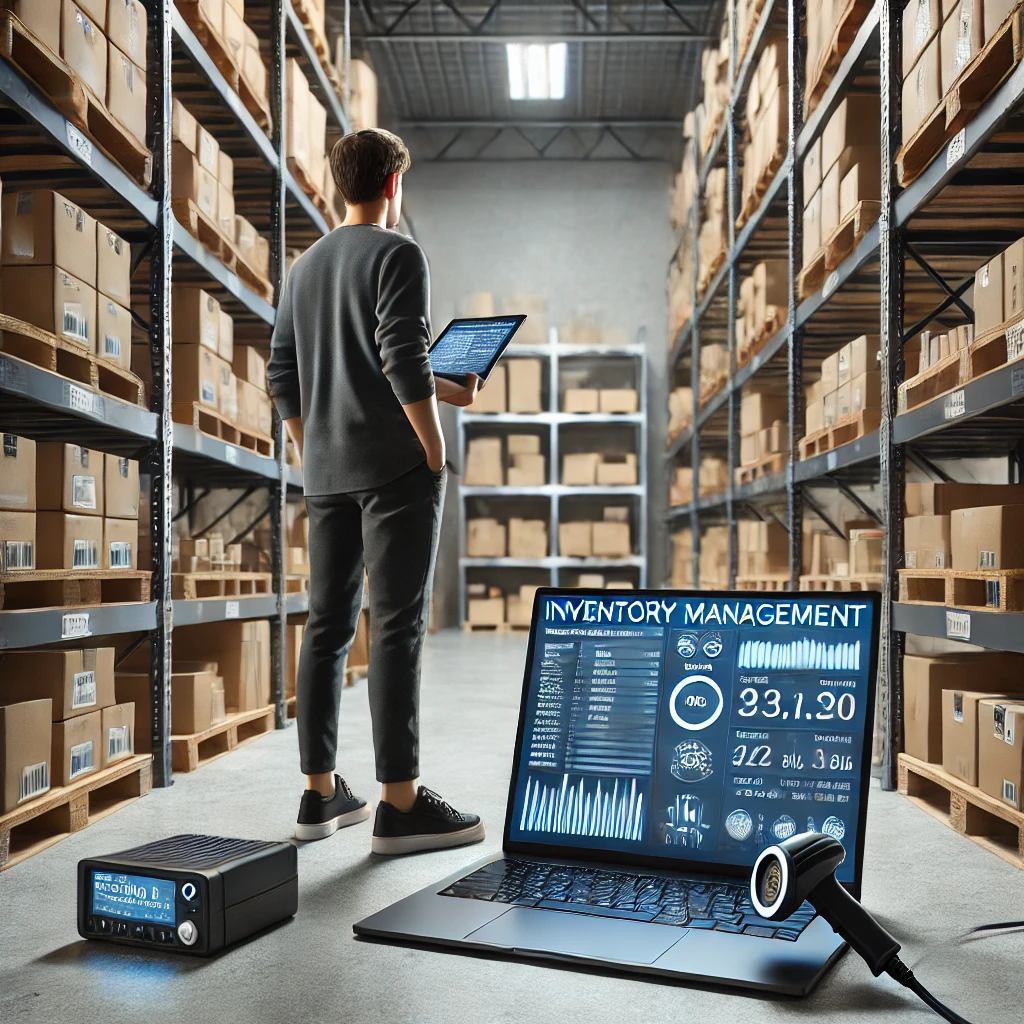
In conclusion, embracing an advanced inventory system isn’t just a strategy; it’s a game-changer that paves the path to success. Whether you’re a small boutique or a bustling enterprise, streamlining your inventory processes will unlock new potentials and free you from unnecessary stress. So, why wait? Dive into the future of business efficiency and watch your operations transform before your eyes.

